

























#01pedalpoint.comJul 17
AI-Generated Code is Inaccessible by Default0
The article argues AI coding tools amplify existing web accessibility problems, not fix them. Developers can't outsource inclusive design to a model.
7 min readRead original
ai & machine learningFriday, July 17, 2026
Today's stories circle around the practical edges of AI: what it gets wrong, what it's good at, and how we're building around its limits. A deep look at AI-generated code reveals it's often inaccessible by default, while two hands-on pieces show local LLMs and Claude can still shine on narrow tasks. Meanwhile, Perplexity rolls out a clever skill system, and China's data annotation workforce offers a real-world view of AI's job impact.
Two pieces question what AI tools actually deliver, from accessibility to real-world troubleshooting.
The article argues AI coding tools amplify existing web accessibility problems, not fix them. Developers can't outsource inclusive design to a model.
A practical reminder that local LLMs struggle with big questions but excel at specific, well-defined tasks. Know your tool's shape.

A concrete example of Claude outperforming Microsoft's own tools on Windows troubleshooting. Niche but shows where narrow AI still wins.
Perplexity and China's data industry show two sides of making AI more capable: smarter architecture and human labor.
Perplexity's skill system uses progressive disclosure: the model loads full instructions only when needed. A smart pattern for keeping agents fast and focused.
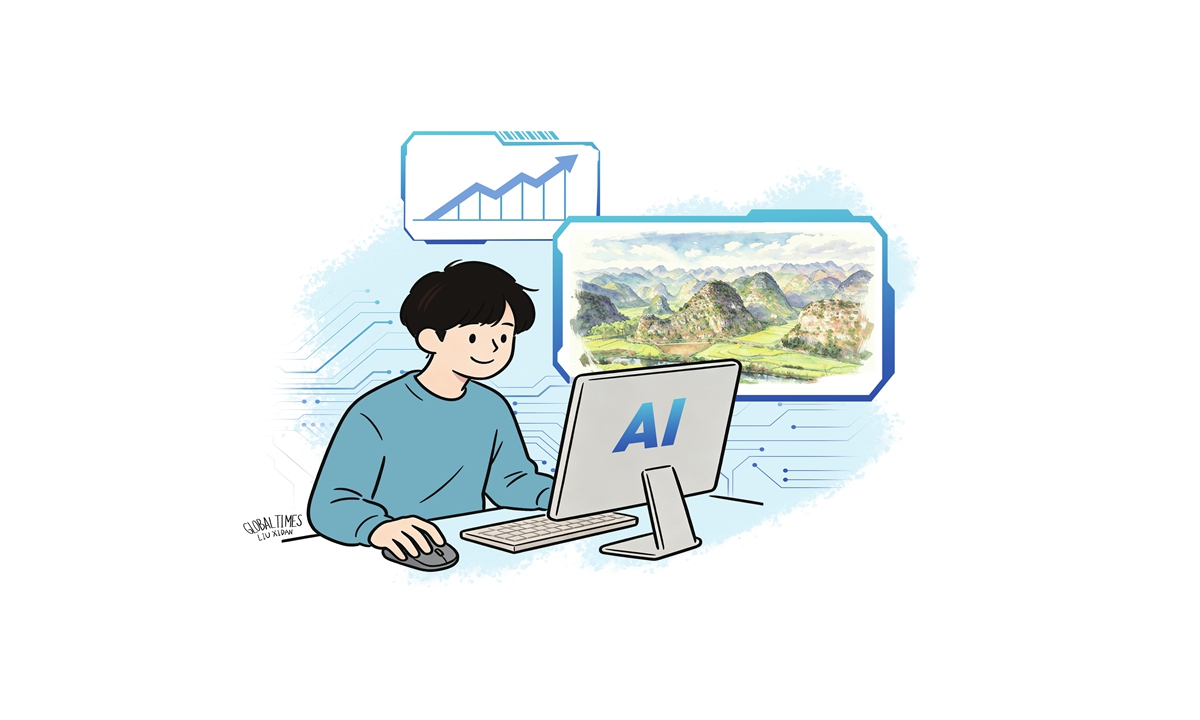
China's data annotation boom in Guizhou offers a ground-level look at how AI creates new jobs, even as it automates others. Not a story of pure displacement.


 wellness roundup
 sustainability roundup
 open source roundup
 real estate roundup
 memoir roundup
 literature roundup
